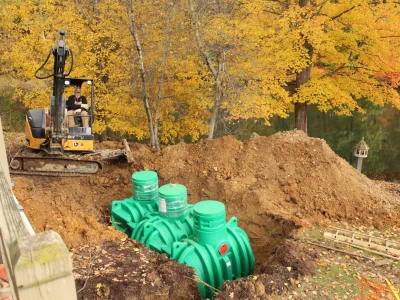
A septic system that performs well for a family of three can struggle badly when eight people share the same house. The tank does not care whether that jump in use comes from a growing family, a multigenerational household, weekend guests, short-term rentals, or a home-based business with heavy bathroom traffic. It responds to volume, timing, and what gets sent down the drain. When those demands rise, the margin for error shrinks.
That is where thoughtful septic services matter. High-occupancy homes often do not fail because of one dramatic mistake. More often, they slide into trouble through steady overloading, delayed pumping, poor water habits, and a false sense that if the toilets still flush, everything must be fine. By the time sewage backs up into a tub or wet spots appear over the drain field, the repair is usually more expensive and more disruptive than it needed to be.
Owners of busy households need a slightly different approach. The goal is not panic or constant service calls. It is matching the system’s care to the way the home is actually used. In practice, that means more frequent inspection, tighter control over water use, realistic pumping intervals, and a willingness to address small warnings before they become major failures.
Why occupancy changes everything
A septic system is sized around expected daily wastewater flow. Local rules vary, but design assumptions are often tied to bedroom count because bedroom count serves as a rough proxy for occupancy. Real life does not always cooperate with that formula. A three-bedroom home might house two retirees, or it might house six adults and three children. Those two situations create very different hydraulic loads.
High occupancy increases stress in two ways. First, it pushes more water into the tank and absorption area every day. Second, it tends to deliver that water in bursts. Morning showers, multiple toilet flushes, several laundry loads, and evening dishwashing can flood a system over a short period. Septic systems work best when wastewater enters at a manageable pace, allowing solids to settle in the tank and partially clarified effluent to move gradually into the drain field. Large spikes can disturb that process.
The solids load also rises. More residents mean more toilet paper, more food particles, more grease risk, and more general wear on the system. Even a properly functioning tank has limits. If solids build up too high, they can wash out toward the drain field. Once solids clog the field, the repair path gets far more serious. Pumping the tank is simple maintenance. Restoring a failed drain field is not.
I have seen this pattern in houses that looked perfectly ordinary from the street. One home had been purchased by an extended family, with grandparents, parents, and children all living under one roof. The septic system was sized for the house’s original use decades earlier. Nobody changed their habits after moving in, and the tank was pumped on the same old schedule, roughly every four to five years. Within two years, the field had become saturated, and the warning signs had been there for months: slow drains after laundry day, odors near the yard line, and soft ground after long showers. The system had not suddenly failed. It had been overloaded for a while.
The difference between normal use and chronic overuse
High occupancy alone does not guarantee trouble. Many systems handle large households well when the tank is sound, the field is healthy, and water use is managed. The problem comes from chronic overuse, especially when it combines with deferred maintenance.
A healthy tank needs time for separation. Solids settle to the bottom, oils and scum rise, and liquid in the middle moves onward. If the tank fills too quickly, that separation becomes less effective. If pumping is overdue, the remaining space in the tank shrinks and the detention time falls even further. The tank begins acting less like a treatment chamber and more like a pass-through box.
The drain field also needs recovery time. Soil dispersal works through a combination of filtration, biological treatment, and absorption. When too much effluent arrives too quickly, the soil can stay wet for too long. Oxygen levels drop, treatment suffers, and the biomat at the infiltrative surface can thicken beyond normal levels. Once that area loses its ability to accept water, backups become more common.
Seasonal occupancy adds another twist. A house that is quiet most of the year may host ten people for holidays or summer weekends. Owners are often caught off guard because the system appears fine for months, then acts up when the house is full. That does not always mean the system is undersized. It may mean the peak-use pattern is too intense. Septic services in these homes often focus on preparing for those spikes rather than treating the property as if it were fully occupied all year.
What septic services should include for a busy household
The right service plan for a high-occupancy home is more involved than a generic pump-once-in-a-while approach. It starts with knowing what is installed, how old it is, where the components are located, and whether the original system design still fits present use.
A solid service visit should include observation, not just pumping. The contractor should assess sludge and scum levels, inspect baffles or tees, check the effluent filter if one exists, look for signs of backflow or unusual turbulence, and note any evidence that solids may be moving beyond the tank. If the system uses a pump chamber, alarms, floats, or advanced treatment components, those items deserve regular testing. A high-use home can expose weaknesses in these components faster than a lightly occupied one.
For some households, especially those with frequent guests or rental turnover, maintaining service records matters almost as much as the service itself. Patterns tell a story. If the tank needed pumping after eighteen months instead of the expected three years, that is useful information. If the filter is clogging every six months, the household may need both maintenance and a change in habits.
One of the most practical steps is to create a realistic maintenance rhythm based on actual use rather than wishful thinking.
Schedule inspections more often than pumping, especially if occupancy has increased. Pump based on tank measurements and usage patterns, not an old rule of thumb. Clean effluent filters at the interval recommended for the system and household load. Check risers, lids, and access points so service can be done without digging each time. Keep a written log of service dates, findings, and any warning signs between visits.That is not overkill. In a heavily used system, small lapses compound quickly.
Pumping intervals need to reflect real life
Many owners ask for a simple answer: how often should a high-occupancy home pump its septic tank? The honest answer is that it depends on tank size, number of residents, garbage disposal use, water habits, and whether an effluent filter is in place. Still, the pattern is clear. More people generally mean shorter pumping intervals.
A household of two might comfortably go several years between pump-outs if the tank is appropriately sized and the system is healthy. A household of seven or eight often cannot. In busy homes, intervals of one to three years are common. Some properties with very heavy use, small tanks, or rental turnover may need even closer attention. The goal is to remove solids before they threaten the outlet, not after the fact.
Owners sometimes resist frequent pumping because they worry it means the system is failing. Not necessarily. More often, it means the maintenance schedule now matches the actual load. There is nothing admirable about stretching a tank beyond what its occupancy demands. The cheaper path is almost always timely pumping and inspection.
It also helps to know what pumping will not fix. If the drain field is already badly clogged, pumping the tank may provide only temporary relief. If roots have entered lines, if a baffle has collapsed, or if groundwater is flooding the system, a pump-out alone will not solve the underlying issue. Good septic services distinguish between routine maintenance and symptoms of a larger defect.
Water use habits matter more than most owners think
In high-occupancy homes, water use timing can be as important as total water use. A system may handle 500 gallons spread steadily through the day better than 300 gallons dumped into it in a few concentrated bursts. That is why laundry scheduling, shower timing, and leak repair make such a difference.
I once visited a property where the owner insisted the system had become undersized after her adult children moved back home. That was partly true, but the bigger issue was a washing machine leak and a running toilet in an upstairs bathroom. The household had added several people, yes, but it was also quietly sending hundreds of extra gallons into the system each day. Once the leaks were fixed and laundry loads were spread out, the warning signs eased significantly.
Busy households should think in terms of flow management. Run full loads of laundry, but not four back to back right before dinner. Repair dripping fixtures promptly. Use high-efficiency fixtures where practical. Direct roof drains and surface water away from the drain field. If there is a water softener, understand how its discharge affects the septic system and whether local service professionals have specific recommendations based on soil and system type.
A septic tank is not a holding tank in the way many people imagine. It is a treatment component that depends on balance. Every gallon sent to it should have a reason to be there.
The signs of overload are usually subtle at first
Owners of crowded homes often miss the early warnings because day-to-day inconveniences become normal. A toilet that https://titushoui142.opalvector.com/posts/top-warning-signs-that-you-need-immediate-septic-services sometimes gurgles after a shower gets blamed on old plumbing. A drain that runs slow after hosting relatives gets ignored. Yard odors are written off as damp weather. Those are the moments when a service call is most valuable.
Watch for patterns such as these:
Drains that slow down during peak use hours but improve later. Gurgling in toilets or sinks after heavy water use. Sewage odors indoors or near the tank and drain field. Wet, spongy, or unusually green patches over the field area. Alarms, pump cycling issues, or backups in the lowest fixtures of the house.Any one of these signs can have more than one cause, so they are not proof on their own. Still, in a high-occupancy home, they deserve quick attention. Waiting through another holiday weekend or another month of heavy use can turn a manageable service issue into a restoration project.
Garbage disposals, wipes, and kitchen habits can overwhelm a system
Large households generate more food waste, and that usually means more kitchen strain on the septic system. A garbage disposal is convenient, but it adds suspended solids and organic load to the tank. In a lightly used home, that may simply shorten pumping intervals a little. In a high-use home, it can matter a lot.
Grease is another common problem. People tend to think a little bacon grease or pan oil will not matter if it is washed with hot water. It matters. It cools, thickens, and contributes to scum buildup. In crowded homes where multiple people cook every day, the effect is cumulative.
Then there are wipes, paper towels, hygiene products, and other items marketed in ways that confuse consumers. If it is not plain toilet paper, it should stay out of the system. High occupancy means high repetition. One bad flushing habit multiplied by six or eight people becomes a service problem quickly.
This is where a household conversation helps. Septic care cannot sit with one person if several adults and older children use the system. Everyone needs the same basic understanding of what belongs down the drain and what does not.
Older systems need closer scrutiny
Many high-occupancy challenges become sharper when the property has an older septic system. Tanks installed decades ago may be smaller than current expectations. Baffles may be worn. Access may be poor. Drain fields may have endured years of use, root intrusion, compaction, or partial clogging.
Older homes that have been renovated deserve special attention. Extra bathrooms, finished basements, accessory dwelling units, and converted bedrooms can all increase actual occupancy beyond the original septic design assumptions. That mismatch does not always surface during a sale. It often appears later, when the new use pattern settles in.
A good service provider will look beyond the immediate complaint. If the house now functions like a five-bedroom property but the system was designed around something smaller, that context affects every recommendation. The answer might be stricter water management, more frequent pumping, component upgrades, or, in some cases, a larger system redesign. There is no virtue in pretending the original installation still fits a fundamentally different household.
Special cases: rentals, caregiving homes, and multigenerational living
Some occupancy patterns are uniquely hard on septic systems. Short-term rentals are a prime example. Guests do not know the system, are less invested in long-term consequences, and often use water heavily. Turnover cleaning can mean multiple laundry cycles in a short window. Service intervals for these homes usually need to be shorter, and signage inside the house can reduce misuse.
Homes with caregiving needs can see unusually high water use from extra laundry, bathing assistance, and more frequent bathroom use. These homes benefit from proactive inspection because the stakes are higher. A backup is not merely inconvenient. It can disrupt essential care.
Multigenerational households often create a stable but consistently high load. These arrangements can work very well with septic systems when owners accept that maintenance must be equally consistent. I have seen large families do an excellent job simply because they stopped treating the septic system as invisible infrastructure and started treating it as a major household asset that needed routine attention.
Choosing the right service provider
Not all septic services are equally thorough. For high-occupancy homes, choose a provider who asks detailed questions about household size, fixture count, recent changes in use, and symptom timing. A contractor who only quotes a pump-out price without asking how the house is used may still do decent work, but you want someone who thinks diagnostically.
Experience shows up in the questions. How many people live here full time? Has occupancy changed recently? Are there periods of very heavy guest use? Do you have an effluent filter? Any alarms? Any recent plumbing changes? Have you noticed issues after laundry days or long weekends? Those details guide better decisions than the tank size alone.
Documentation matters too. Good providers note tank condition, solids levels, component issues, and recommendations for follow-up. That record becomes extremely useful if the household keeps growing or if a drain field problem begins to develop later.
Prevention costs less than recovery
There is a reason septic professionals push maintenance so hard in high-use homes. Once a drain field is compromised, the options get narrower and more expensive. Depending on site conditions, regulations, and available area, repairs can range from line cleaning and component replacement to partial field work or complete system replacement. None of those outcomes is improved by delay.
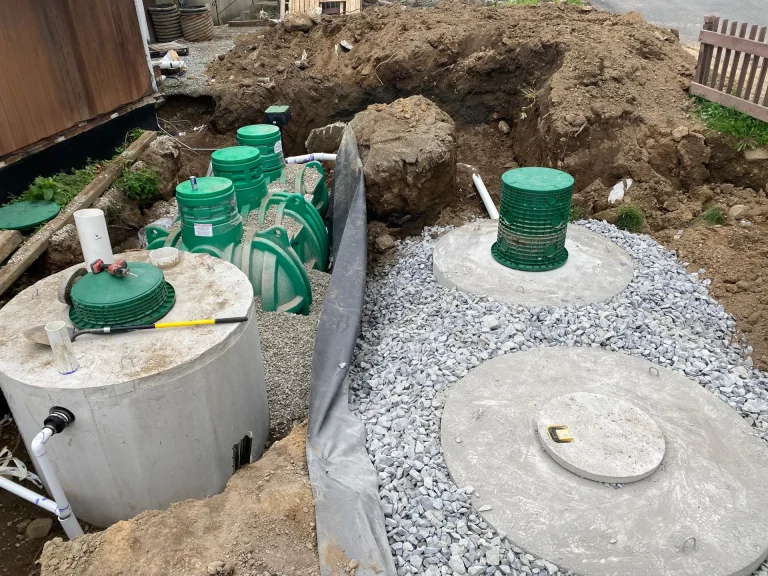
By contrast, regular septic services are predictable. They can be scheduled around the household’s needs. They also create a chance to catch issues when they are still localized, such as a failing filter, a cracked lid, a missing baffle, or an overloaded pump chamber.
Owners sometimes think they are saving money by postponing service for another year. In a low-use cabin, maybe that gamble lasts a while. In a full house with constant demand, the math changes. Every extra person compresses the maintenance window. The system is simply asked to do more.
A practical mindset for full households
The most successful high-occupancy properties usually share the same attitude. They do not treat the septic system as mysterious, and they do not treat it casually. They learn the basics, keep records, schedule service before trouble starts, and make a few sensible adjustments to water use. That is enough to prevent many common failures.
A septic system does not have to become a source of anxiety just because the house is busy. It does need respect for its limits. When a home consistently houses more people than the system was effectively serving in the past, septic services should become more intentional. The tank, the lines, the filters, the field, and the daily habits inside the house all matter together.
For crowded homes, the right question is not whether the system can survive one more month without attention. The better question is whether the maintenance plan reflects how the house really lives. When it does, even a heavily used septic system can remain dependable for a long time.
Excavating New Jersey LLC
Address: 406 County Rd 565, Wantage, NJ 07461
Phone number: +19737914284
FAQ About Septic Services
What is the average cost to get a septic tank emptied?
Emptying a septic tank costs between $290 and $560 on average, with most homeowners paying about $420. Prices vary based on tank size.
What is septic service?
Septic service inspects, pumps, cleans, and maintains a septic tank. A septic tank is a large, underground container that collects and treats wastewater from your home. Over time, sludge, scum, and other debris, like hair and solids, can build up in your tank and clog your drain field.
How often should you have a septic tank serviced?
A standard septic tank should be inspected every 1 to 3 years and pumped every 3 to 5 years. However, the exact schedule depends on your tank's capacity, household size, and daily water usage.